Beyond the Smartwatch: Envisioning the Future of Wearable Technology
-
by Admin
-
February 17, 2026
-
200 comments
-
5 Minutes read
-
255 views
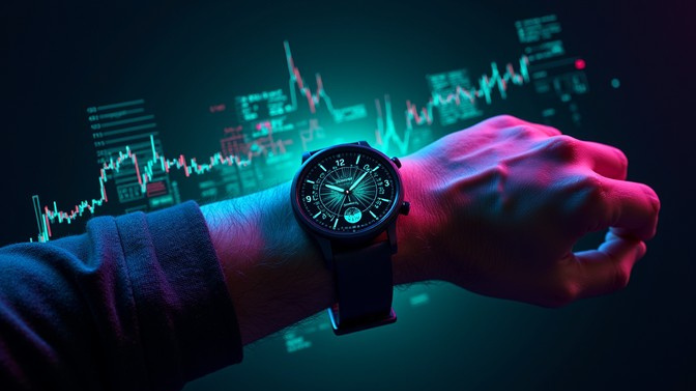
Futuristic innovation offers a powerful vision of what tomorrow could look like. Among the most exciting advancements is wearable technology, which has already evolved far beyond basic step counters and simple smartwatches. As technology becomes more integrated into daily routines, we are entering an era where digital tools blend naturally with sustainable lifestyles. This new generation of wearables is not only about convenience—it holds solutions for healthcare improvement, environmental responsibility, and stronger social connectivity. Understanding these shifts helps us prepare for the next chapter of intelligent, body-connected devices.
Futuristic innovation offers a powerful vision of what tomorrow could look like. Among the most exciting advancements is wearable technology, which has already evolved far beyond basic step counters and simple smartwatches. As technology becomes more integrated into daily routines, we are entering an era where digital tools blend naturally with sustainable lifestyles. This new generation of wearables is not only about convenience—it holds solutions for healthcare improvement, environmental responsibility, and stronger social connectivity. Understanding these shifts helps us prepare for the next chapter of intelligent, body-connected devices.
1. Advanced Health Monitoring: Moving Past Basic Fitness
Wearables are no longer limited to tracking steps or counting calories. The future of health-focused devices lies in deeper, more personalized monitoring. Upcoming innovations may allow users to track blood glucose, hydration levels, and even detect early warning signs of illness.
Flexible, skin-like sensors are being developed to provide continuous health analysis without discomfort. Smart patches could detect irregular heart rhythms before noticeable symptoms appear, offering preventive support instead of reactive treatment. Artificial intelligence will further enhance this by analyzing personal data patterns to recommend nutrition adjustments, schedule medical consultations, or suggest lifestyle improvements.
Mental wellness is also becoming central. Future devices may measure stress indicators such as cortisol levels and monitor brain activity related to fatigue or anxiety. When paired with mindfulness applications, these wearables could guide breathing exercises or relaxation techniques in real time, transforming mental health support into a daily, accessible experience.
2. AI-Powered Wearables and Ambient Computing
The next phase of wearables will be deeply connected to artificial intelligence and ambient computing—where technology operates quietly in the background while enhancing daily life.
Future AI assistants embedded in wearables may understand routines, preferences, and biometric signals. Smart rings or similar compact devices could automatically adjust home environments for better sleep quality. Augmented reality glasses may provide live translation during international meetings or highlight key points during presentations.
These technologies will gradually feel less like tools and more like natural extensions of the human body and mind. However, with such personalization comes the responsibility of strong data protection. Advanced encryption systems and user-controlled privacy settings will be essential to maintain trust.
3. Sustainable, Flexible, and Stylish Designs
Wearable devices are shifting from bulky wristbands to sleek, adaptable designs. Tomorrow’s wearables may appear as smart fabrics, elegant accessories, or even temporary electronic tattoos.
Manufacturers are exploring stretchable batteries, biodegradable materials, and self-healing polymers that repair minor damage automatically. These innovations will increase comfort and durability while reducing environmental impact.
Energy efficiency is also evolving. Motion-based charging systems and solar-powered textiles could significantly reduce or even eliminate the need for frequent charging. This move toward self-sustaining devices reflects a broader commitment to eco-friendly innovation.
4. Augmented Reality and Enhanced Sensory Experiences
Augmented reality (AR) will dramatically reshape how we interact with information. Advanced AR glasses and potentially smart contact lenses could overlay digital content onto the physical world.
Students might conduct immersive science experiments through AR-enhanced lab equipment. Nature enthusiasts could instantly identify plants and animals during outdoor activities. Assistive features may convert visual signals into tactile feedback or amplify sound for individuals with hearing impairments.
By expanding access to knowledge and enhancing sensory experiences, these technologies could help reduce educational and social barriers.
5. Ethical Development and Sustainability
As wearables grow more powerful, responsible innovation becomes crucial Future devices are likely to be built with recyclable materials and designed for easy repair. Companies may adopt circular production models where older devices are refurbished or repurposed instead of discarded.
Ethical considerations will also play a major role. Wearables that collect health or productivity data must operate with clear consent and transparent policies. Strong legal frameworks and data protections will ensure that technological progress does not compromise user rights.
6. Brain-Computer Interfaces: The Next Frontier
One of the most groundbreaking areas under development is brain-computer interface (BCI) technology. Non-invasive neural headsets and related systems aim to create direct communication pathways between the brain and digital devices.
Potential applications include helping individuals with paralysis control prosthetic limbs or enabling more focused learning experiences. Creative professionals might one day translate thoughts directly into digital designs.
Although still in early stages, neural connectivity represents a bold step toward redefining human-machine interaction. Alongside technical advancements, ethical debates about privacy and accessibility will continue to grow.
Looking Ahead
The upcoming generation of wearables will move beyond being simple gadgets They are becoming essential partners in health management, productivity, creativity, and daily living. These devices promise deeper body insights, smarter automation, and enhanced collaboration between humans and machines.
Yet, innovation alone is not enough. Privacy must remain a priority. Sustainable materials and energy-efficient systems should guide production choices. Equally important is ensuring that advanced technology does not widen social inequalities.
The true success of future wearables will depend on balancing innovation with empathy. By keeping human well-being, ethical responsibility, and environmental care at the forefront, wearable technology can shape a future that is not only smarter—but also healthier, fairer, and more connected.

POPULAR BLOGS