The Rise of Streaming: Transforming the Way We Watch TV
-
by Admin
-
February 17, 2026
-
123 comments
-
5 Minutes read
-
104 views
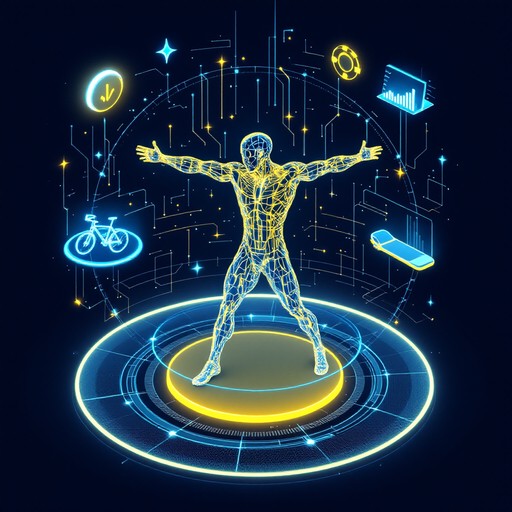
Streaming devices have completely reshaped the way we consume television content Gone are the days of fixed schedules and limited channels—today, viewers enjoy on-demand access to movies, shows, and live events anytime, anywhere This shift has not only given audiences more control but also changed the dynamics of the entertainment industry, making TV watching more personalized, flexible, and interactive than ever before.
How Streaming Devices Have Changed Conventional TV Watching
Television viewing has undergone a dramatic transformation over the past decade. The era of scheduled programming, limited channels, and bulky cable subscriptions is gradually giving way to a new age of streaming devices. These devices, from smart TVs and streaming sticks to gaming consoles, have completely changed how we consume content. With instant access to movies, series, and live events, viewers now enjoy a level of flexibility, personalization, and convenience that was unimaginable just a few years ago.
The Rise of On-Demand Entertainment
One of the most significant changes streaming devices have brought is the shift from scheduled programming to on-demand entertainment. In the past, audiences had to plan their day around show timings or rely on recording devices to watch their favorite programs. Today, platforms like Netflix, Amazon Prime Video, Disney+, and Hulu allow viewers to watch content whenever they want. This flexibility has redefined viewing habits, making binge-watching a common phenomenon
On-demand services also provide personalized recommendations based on viewing history, which means users are introduced to new content they are more likely to enjoy. Unlike traditional TV, where choices were limited by available channels, streaming devices open up a vast library of content across genres, languages, and countries, giving audiences unparalleled variety.
Flexibility Across Devices
Streaming devices offer incredible cross-device flexibility. Whether using a smart TV, smartphone, tablet, or even a gaming console, users can access the same platform seamlessly. This ensures that TV watching is no longer confined to the living room. A person can start watching a series on a smart TV, continue on a tablet while commuting, and finish on a smartphone during a lunch break.
This level of convenience has made television more integrated into daily life. No longer are viewers tied to one screen or location; streaming devices make TV portable, allowing users to enjoy their favorite content anywhere with an internet connection.
Cost-Effective Alternatives
Another factor driving the popularity of streaming devices is cost. Traditional cable or satellite TV often requires long-term contracts, expensive subscriptions, and additional fees for premium channels. Streaming devices, on the other hand, allow users to pick and choose services according to their preferences
Many platforms offer monthly subscriptions that can be paused or canceled at any time. Some services even offer ad-supported models at lower rates, making high-quality content more accessible. The combination of flexibility, affordability, and extensive content libraries makes streaming devices a more appealing choice for modern audiences.
Personalized Viewing Experience
Unlike conventional TV, which broadcasts the same content to millions of viewers simultaneously, streaming devices provide a personalized viewing experience. Platforms track viewing habits to suggest content tailored to individual preferences. This personalization extends to watchlists, favorite genres, and even automatic episode play, ensuring a smoother and more enjoyable experience
Additionally, multiple user profiles on a single account allow each family member to enjoy their own personalized recommendations. Parental controls also enable families to manage what children can access, enhancing safety and user control.
Interactive Features and Integration
Streaming devices are no longer just passive tools for watching content; they come equipped with interactive features that enhance engagement. Many devices integrate with voice assistants like Amazon Alexa or Google Assistant, allowing users to search for shows, control playback, or even adjust smart home devices using voice commands
Gaming consoles like PlayStation and Xbox also double as streaming platforms, offering a hybrid experience that merges gaming and entertainment. Features like live chat during streams, content sharing, and social media integration provide an interactive dimension that conventional TV could never offer.
Changing the Entertainment Industry
The impact of streaming devices extends beyond viewers to the entertainment industry itself. Traditional TV networks face growing competition from streaming platforms that produce original content exclusively for their services. This shift has led to a boom in high-quality, diverse programming tailored to niche audiences, something conventional TV often struggled to provide
Streaming services also use data analytics to understand viewer preferences, influencing decisions on which shows to produce or renew. This data-driven approach has changed the way content is created, distributed, and marketed, emphasizing audience engagement and satisfaction
Global Reach and Accessibility
Streaming devices have also made content globally accessible. Viewers can now watch international shows, movies, and documentaries without waiting for regional broadcasts. Subtitles and dubbing options make foreign content easier to consume, broadening cultural exposure and entertainment choices.
This global accessibility has led to a new era of popularity for international series, from K-dramas to European thrillers, providing diverse perspectives that were rarely available on traditional TV networks
Challenges and Considerations
While streaming devices have transformed TV viewing, they come with challenges. High-speed internet is essential for seamless streaming, and data usage can be substantial. The abundance of options may also lead to decision fatigue, with viewers struggling to choose what to watch
Subscription fatigue is another concern, as users may need to pay for multiple platforms to access all desired content. Nonetheless, these challenges are often outweighed by the convenience, flexibility, and personalization that streaming devices provide
Conclusion
Streaming devices have undeniably redefined television viewing, moving it from rigid schedules and limited channels to flexible, on-demand, and personalized experiences They offer convenience across multiple devices, cost-effective access to diverse content, interactive features, and global reach. For both viewers and content creators, streaming technology has created a new landscape where flexibility, engagement, and personalization are at the forefront
As technology continues to evolve, conventional TV may no longer be the primary source of entertainment, and streaming devices will likely dominate how we watch, interact with, and enjoy content. The era of personalized, accessible, and interactive TV has arrived, making conventional viewing habits a thing of the past.
POPULAR BLOGS